Is Sugar the New Swear Word?
The Truth About Sugar, Holidays, and Your Health
The Truth About Sugar, Holidays, and Your Health
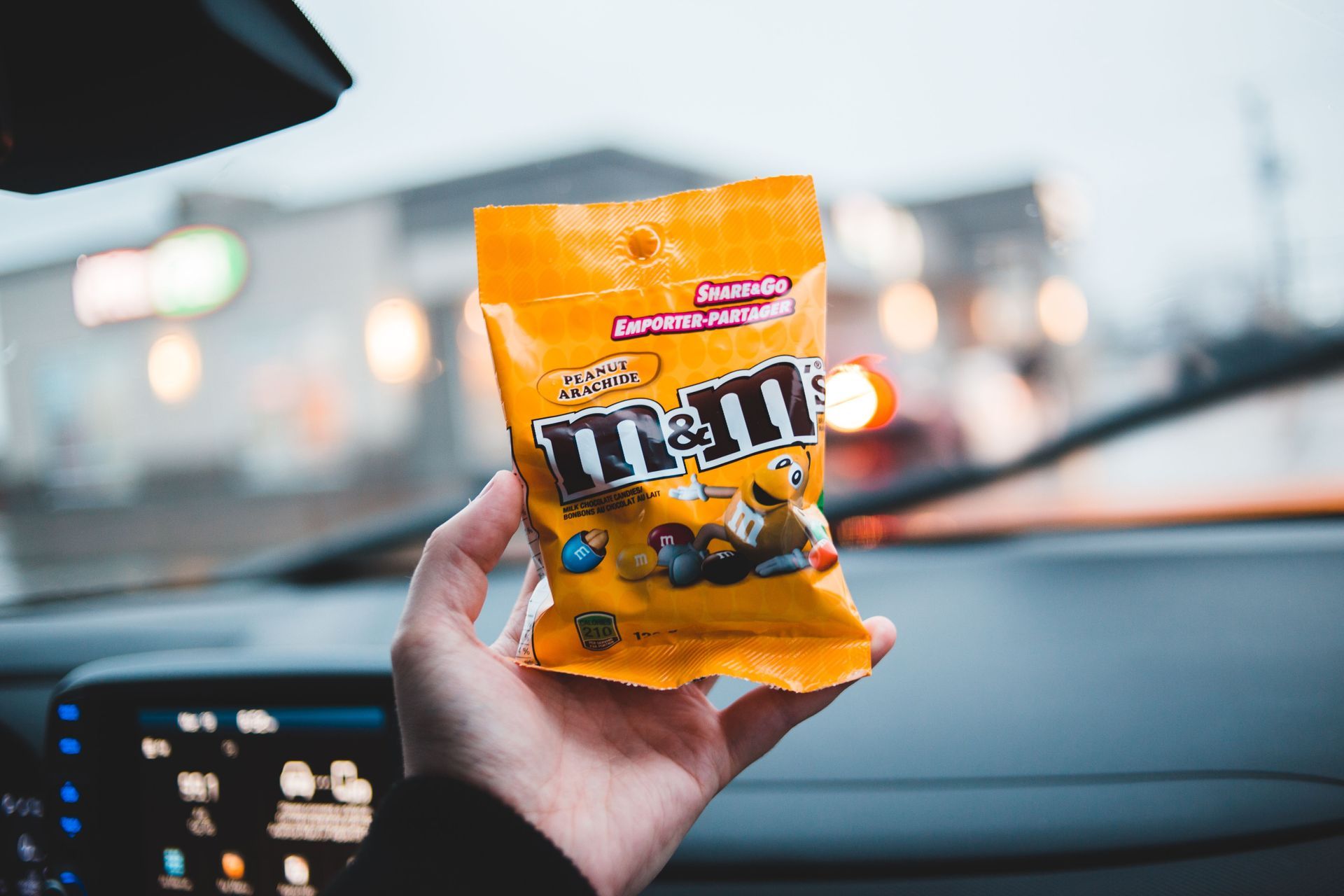
Halloween may be behind us, but we’re officially entering the heart of sugar season — from candy and cookies to festive drinks and pies. Everywhere you turn, sugar is front and center.
And let’s be honest: I love a good Reese’s cup or a slice of red velvet cheesecake. Did someone say fudgy brownies? Yes, please! 😉
But as the holidays roll in, many people wonder:
Is sugar really that bad?
After all, sugar is a macronutrient, right? Don’t we need it to survive?
🧬 What Sugar Really Is (and Why It’s Not “Essential”)
All forms of sugar — from fruit and potatoes to donuts and cake — are part of the carbohydrate family. But carbohydrates aren’t considered essential nutrients.
That’s because your body can actually make its own sugar (glucose) for energy through a process called gluconeogenesis. (Harvard Nutrition Source)
💡 Translation: you don’t actually need to eat sugar to fuel your body!
Pretty wild, right? But before you throw out every cookie in the house, here’s the real nuance: sometimes that internal sugar-making process can add stress to an already-stressed body. This is where bio-individuality comes in — everyone’s metabolism, stress level, and hormone balance are different.
⚖️ When Sugar Becomes a Problem
Your body loves balance. It has an incredible system that keeps blood sugar within a very tight range. But when you eat too much sugar (especially added or refined sugars), that system struggles.
Over time, too much sugar can contribute to:
- 🔥 Chronic inflammation (joint pain, muscle soreness, slower recovery)
- 🧠 Brain fog and cognitive decline
- ⚖️ Metabolic issues like insulin resistance, prediabetes, and fatty liver
- 💥 Oxidative stress and advanced aging (yes, wrinkles!)
- ❤️ Increased risk for diabetes, obesity, and cardiovascular disease
👉 Research links
high sugar intake to inflammation, metabolic disorders, and oxidative stress that accelerate aging.
(Frontiers in Immunology, 2022)
(BMJ, 2023)
🍰 How Much Sugar Is Too Much?
It depends on the person — but here’s a simple realistic rule of thumb:
- Children and teens (under 18): aim for less than 50g/day
- Adults: stay under 100g/day
- Optimal for metabolic health: 25g/day (about 6 teaspoons) of added sugars or less
For comparison, the
average American consumes 300–400g of sugar per day. 😳
That’s 3–4 times more than the body can handle gracefully.
And remember: sugar hides in “healthy” foods like fruit juice, yogurt, cereal, granola, and especially non-dairy milks.
🧠 Sugar, Mood, and Cravings
Sugar doesn’t just impact your blood sugar — it affects your
brain chemistry too.
Frequent blood sugar spikes and crashes can trigger mood swings, irritability, anxiety, and “hangry” episodes.
Studies show that
high-sugar diets are linked with cognitive decline, stress sensitivity, and even addictive food behaviors.
(PMC, 2022)
The more you eat, the more you crave. It’s not just willpower — it’s biochemistry.
🌿 Bio-Individuality: Why Everyone’s Sugar Tolerance Is Different
Some people can eat dessert without skipping a beat, while others experience fatigue, bloating, or blood sugar crashes.
Factors like:
- Sleep quality
- Hormone balance
- Activity level
- Stress response
- Gut health
…all influence how your body handles sugar.
That’s why there’s no universal number for how much sugar is “safe.”
🎄 How to Enjoy the Holidays Without the Sugar Crash
Good news: you can still enjoy your holiday desserts without wrecking your metabolism or mood. Here’s how 👇
🍗 1. Prioritize Protein and Healthy Fats
Pairing sweets with protein or fat (like cheese, eggs, or nuts) slows sugar absorption and prevents crashes.
🥗 2. Balance Your Plate
Focus on whole foods — think veggies and quality protein — before you dig into dessert.
🕯️ 3. Reduce Hidden Sugars
Watch for sneaky added sugars in coffee creamers, sauces, dressings, and non-dairy milks.
🍫 4. Use Smarter Sweeteners
Allulose is an excellent swap that has even been proven to help balance blood sugar pubmed39583955
🎁 Ready to Take Control of Sugar Season?
I’m hosting a live online webinar: “The Sugar Survival Workshop: How to Enjoy Desserts Without Wrecking Your Blood Sugar”
You’ll learn:
- My top nutritionist-approved sugar swaps
- Strategies to manage cravings and stress eating
- Have Access to a Private Online Community where you can commiserate with each other, um, I mean Encourage Each other!
- You'll have access to my Personal Family Holiday Recipe Ebook
- Fun freebies, giveaways, and exclusive discounts!
📅 Registration opens November 9th — spots are limited.
And if you’re ready for more than just a webinar —
Final word
Is sugar the new swear word? Maybe not literally—but if we treat sugar like it’s harmless, we’re missing a powerful truth: sugar doesn’t just “hang out quietly” in the background of our diets. It interacts with our hormones, metabolism, brain, inflammation — especially when stress, bad sleep, and busy lives are joining the party.
This holiday season, let’s choose smart over shamed. Let’s enjoy the good stuff without getting hijacked by it. Your body will thank you, and your holiday experience will be richer for it.
Ready to go deeper?
If you’re thinking: “I want more than just a webinar—I want personal support to navigate the season with freedom, health, and joy,”
👉
Let’s chat today
about creating your personalized holiday wellness plan.
You deserve to feel amazing and enjoy the season.