How to Build a Skin Callus Naturally
A Smarter Approach to Sun Exposure
Sun exposure has become one of the most misunderstood topics in modern health.
For years, the message has been simple: avoid the sun, cover your skin, and use sunscreen at all times.
But emerging research and a functional, holistic perspective suggest something different:
Your body is designed to adapt to sunlight.
One of the most powerful (and overlooked) ways it does this is through developing what’s often called a skin callus.
What Is a Skin Callus?
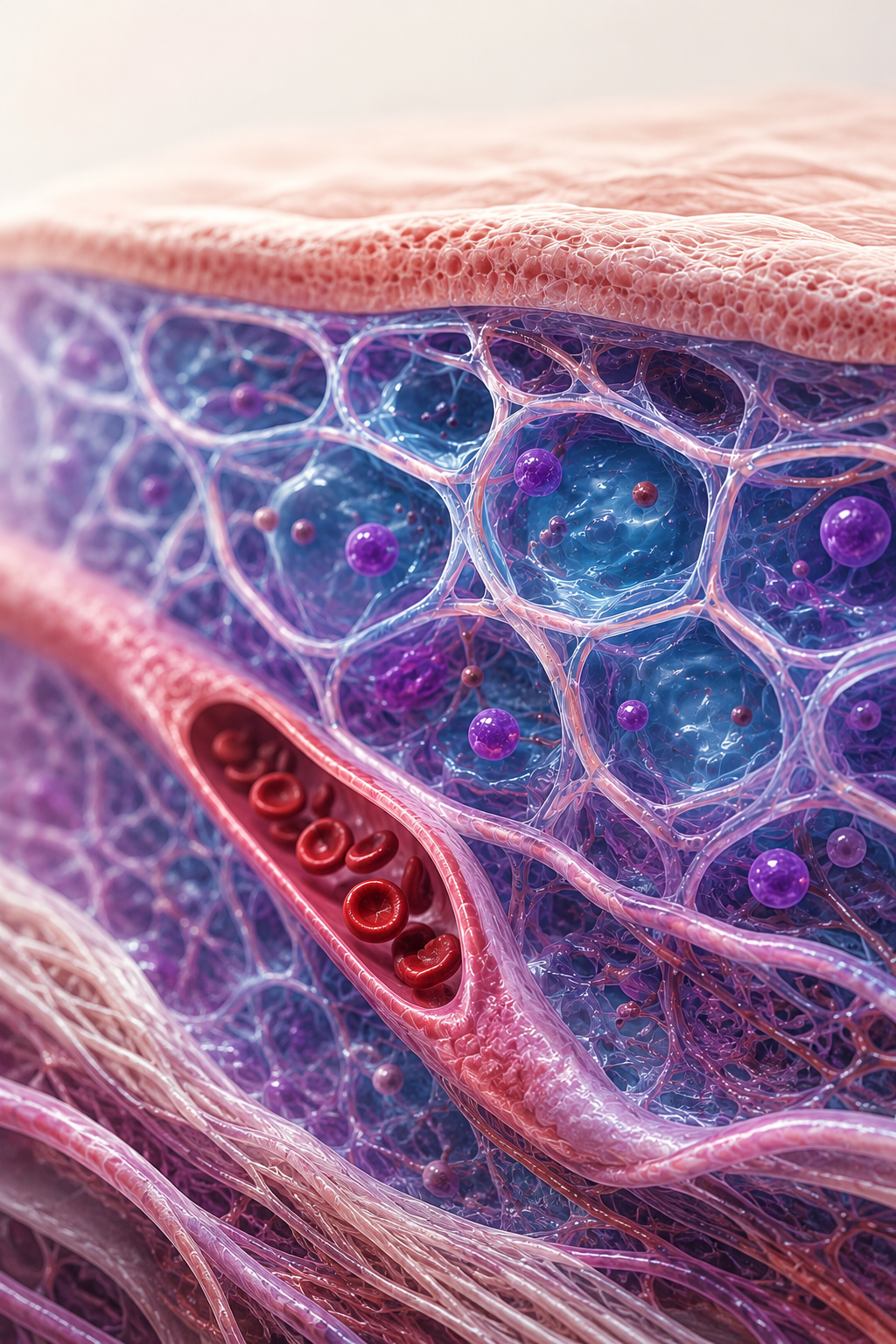
A skin callus from sun exposure is your body’s natural adaptive response to consistent, gradual sunlight.
Instead of burning, your body:
- Increases melanin production
- Slightly thickens the outer layer of the skin
- Improves its ability to tolerate UV exposure
This process helps your skin become more resilient over time.
A simple way to think about it:
Just like lifting weights builds muscle, gradual sun exposure builds stronger, more adaptable skin.
Why Sun Exposure Is Important for Overall Health
Sunlight is more than just a source of vitamin D, it acts as a biological signal that influences multiple systems in the body.
Key health benefits of sunlight include:
- Supporting vitamin D production
- Regulating circadian rhythm (sleep-wake cycles)
- Supporting hormone balance
- Improving mood and mental clarity
- Supporting immune function
Long-term research has even shown that avoiding sun exposure may be associated with higher overall mortality risk, highlighting the importance of balanced, consistent exposure.
How to Build a Skin Callus Safely
If you’re wondering how to build sun tolerance naturally, the key is gradual adaptation.
1. Start with Short Sun Exposure
Begin with 5–10 minutes of direct sunlight daily, ideally in the morning or late afternoon when UV intensity is lower.
2. Be Consistent
Daily exposure trains your body. Consistency matters more than intensity.
3. Increase Exposure Gradually
Add a few minutes every few days as your skin adapts. Avoid pushing to the point of burning.
4. Expose More Skin (Within Reason, I'm not a nudist)
Allow sunlight on areas like arms, legs, and face while staying within your tolerance.
5. Use Non-Toxic Sunscreen When Necessary
For prolonged exposure—especially before your skin has adapted—use a clean mineral sunscreen like Sky and Sol (use code REBECCAS if you choose to try it).
Benefits of Developing a Skin Callus
Building natural sun tolerance offers a wide range of benefits:
- Helps reduce the risk of sunburn
- Supports natural melanin production
- Enhances vitamin D synthesis
- Improves skin resilience and adaptability
- Supports mitochondrial function (cellular energy)
- Helps regulate circadian rhythm
- Supports hormone balance, including MSH
What Is MSH and Why Does It Matter?
Melanocyte-Stimulating Hormone (MSH) is often known for its role in tanning, but its function goes far beyond the skin.
MSH plays a role in:
- Regulating inflammation
- Supporting immune system balance
- Influencing appetite and metabolism
- Supporting mood and brain function
- Regulating circadian rhythm
Sunlight helps activate pathways that influence MSH, making it a key link between light exposure and whole-body health.
Sunlight and the Eyes: A Key Hormonal Signal
Sunlight doesn’t just affect your skin—it also signals your brain through your eyes.
Natural light exposure (especially early in the day) helps regulate:
- The pineal gland
- Circadian rhythm (think better sleep!!)
- Hormonal signaling
This is one reason why intentional, daily sunlight exposure can support both energy levels and sleep quality.
Should You Always Wear Sunscreen?
Sunscreen has its place—but context matters.
Rather than using it all the time, a more balanced approach is:
- Build gradual sun tolerance first
- Use sunscreen ONLY during prolonged exposure
Choosing a clean, non-toxic option like Sky and Sol can help reduce unnecessary chemical exposure while still providing protection when needed.
The Goal is to work with your Body
- Gradual exposure over time
- Consistency instead of extremes
- Protection when necessary, not by default
Your body is designed to adapt. When given the right inputs, it becomes more resilient, not more fragile.
Final Thoughts
Sunlight is one of the most powerful—and natural—inputs your body receives.
When approached with intention, it can support your skin, hormones, metabolism, and overall health.
The key isn’t avoidance.
It’s adaptation.
Evidence-Based Resources on Sun Exposure and Health
For further reading and research-backed information:
1. Swedish Study
Avoidance of sun exposure is a risk factor for all-cause mortality
- Large cohort of ~30,000 Swedish women followed for ~20 years
- Found sun avoidance was linked to higher all-cause mortality
- Women who avoided sun had ~2x higher mortality risk compared to highest exposure group
- Follow-up analysis noted life expectancy differences comparable in magnitude to smoking risk
2. Harvard Health Summary of the Same Research
Here’s something unexpected: sunbathers live longer
- Summarizes the Swedish data in plain language
- Reports women with more sun exposure had:
- Lower heart disease risk
- Lower non-cancer mortality
- Also includes important nuance about correlation vs causation
3. Swedish UV Exposure & Mortality Study (Earlier Cohort Data)
Ultraviolet exposure and mortality among women in Sweden
- Found natural sun exposure associated with reduced overall and cardiovascular mortality
- Differentiates between natural sunlight vs artificial UV exposure
- Supports the idea that moderate sunlight may be protective
4. Review on Sunlight and Mortality (Recent Perspective)
- Reviews multiple population studies (UK + Sweden)
- Links sun exposure with reduced all-cause and cardiovascular mortality
- Highlights that benefits extend beyond vitamin D alone
5. Public Health + Mechanistic Perspective (Vitamin D + Beyond)
Insufficient Sun Exposure Has Become a Real Public Health Problem
- Suggests low sun exposure is associated with higher cardiovascular mortality risk
- Notes sunlight may impact:
- Metabolic health
- Cardiovascular function
- Inflammation pathways
While research shows associations between sunlight and improved health outcomes, excessive sun exposure and sunburn still increase skin cancer risk. The goal is balanced, consistent, and non-burning exposure.
ALSO- since this is a part of the conversation:
When sunscreen is needed—especially during prolonged exposure—it’s worth choosing one with well-studied, low-toxicity ingredients.
Mineral sunscreens made with zinc oxide or titanium dioxide sit on the skin and reflect UV rays, while some chemical filters are absorbed into the body and are still being evaluated for long-term safety.
This is wear you will learn I am a snob about some products and this is one of them! I don't like adding things to my body's toxin bucket to process, so using healing ingredients instead of stressful ones is my jam! - I have tried a ton of them too, I have even tried making my own! But we have landed on Sky & Sol's sunscreen as our family favorite!
Evidence & Articles on Safer / “Cleaner” Sunscreen Choices
1. Peer-Reviewed Review on Sunscreen Safety
https://pmc.ncbi.nlm.nih.gov/articles/PMC11022667/
- Notes concerns around certain chemical filters like oxybenzone
- Highlights that mineral ingredients (zinc oxide, titanium dioxide) provide broad-spectrum protection
- Suggests some chemical filters may impact biological systems and need further safety evaluation
2. Cleveland Clinic
https://health.clevelandclinic.org/mineral-vs-chemical-sunscreen
- Explains mineral sunscreens sit on the skin and reflect UV rays, rather than being absorbed
- Identifies zinc oxide and titanium dioxide as primary active ingredients
3. MD Anderson Cancer Center
- States that mineral sunscreens create a physical barrier between you and UV rays
- Notes chemical sunscreens absorb UV radiation and transform it chemically
4. Environmental Working Group (Ingredient Safety + Absorption Data)
https://www.ewg.org/sunscreen/report/the-trouble-with-sunscreen-chemicals/
- Reports that some chemical sunscreen ingredients have been detected in blood, urine, and breast milk after application