Why the Gallbladder Matters More Than You Think
Signs of Poor Bile Flow, Gallbladder Removal Side Effects,
and Natural Support
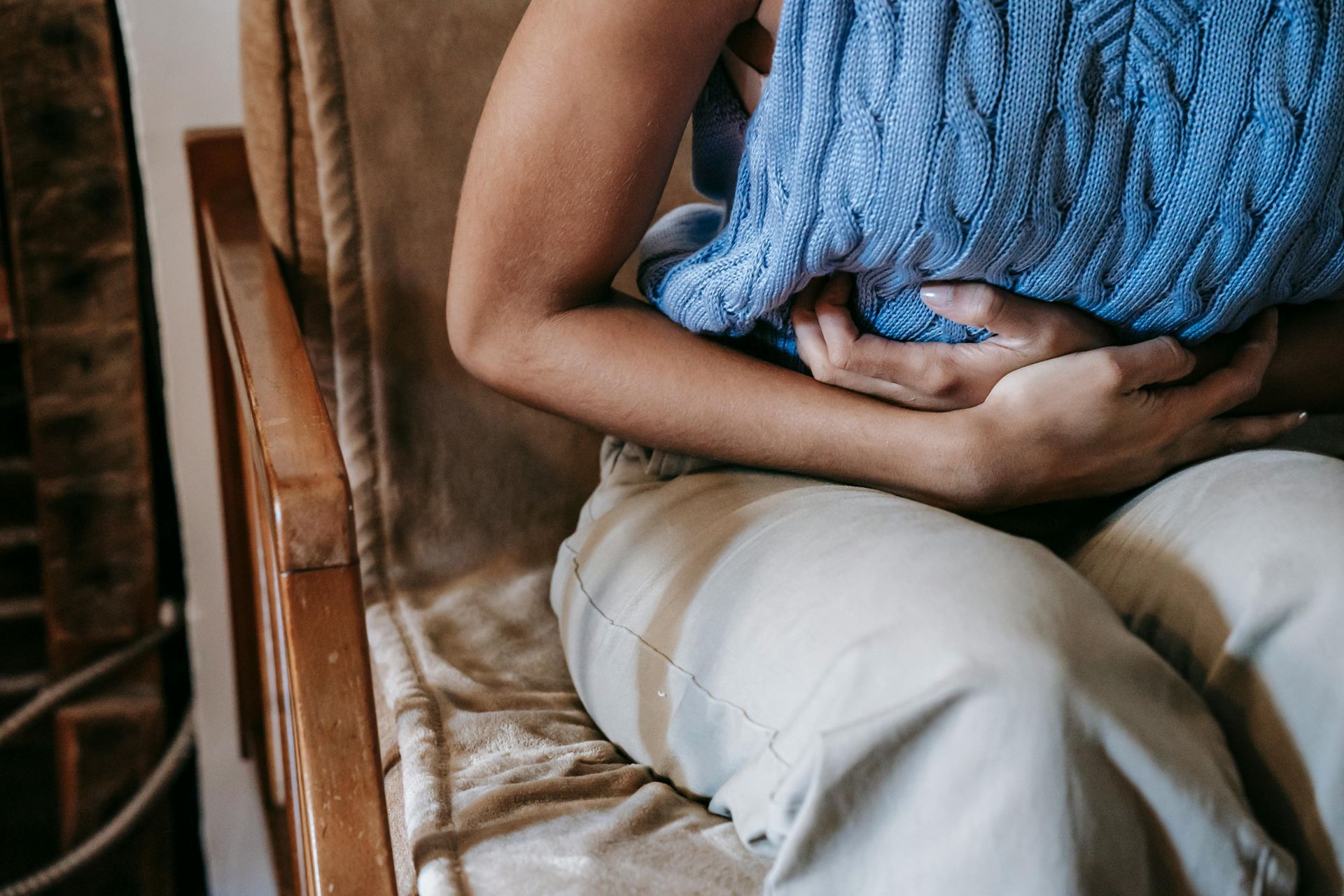
Every once in a while, usually during seasons when life feels extra stressful and my nutrition hasn't been the greatest, I get a very specific pain. It starts as a sharp ache under my right shoulder blade, then radiates up into my shoulder and down my arm. The pain can become so intense that it literally feels like my nerves are on fire.
The first few times it happened, I had no idea what was causing it. I've even found myself sitting in the ER looking for answers, only to leave frustrated with no real solution. I've tried chiropractic adjustments, massage, stretching—you name it. Sometimes those things helped a little, but the pain always seemed to come back.
Then during my nutritional therapy training, I learned something that completely changed the way I viewed those episodes.
That pain pattern can actually be a classic sign of gallbladder distress.
Suddenly, years of mystery started making sense.
Now when I feel those warning signs creeping in, I don't panic. Instead, I reach for my favorite gallbladder support tools, and more often than not the discomfort improves within minutes. More importantly, I've learned to view it as a message from my body. It's usually my reminder that stress has been too high, I've been neglecting some healthy habits, and my liver and gallbladder could use a little extra TLC.
Have you ever experienced a strange pain under your right shoulder blade or been told your gallbladder "doesn't really matter" after having it removed? If so, you may be surprised to learn just how important this small organ is for digestion, nutrient absorption, microbiome health, and overall wellness.
Have you ever been told, "You don't really need your gallbladder?"
It's one of the most common statements people hear after being diagnosed with gallstones or recommended for gallbladder surgery. While it is true that you can live without a gallbladder, what many people are not told is that the gallbladder serves several important functions that influence digestion, nutrient absorption, microbiome health, and overall wellness.
In fact, gallbladder removal surgery (cholecystectomy) is one of the most commonly performed surgeries in the United States. Yet many patients leave the hospital with little understanding of how their digestion may change or what steps they can take to support their body afterward.
Let's take a closer look at what the gallbladder does, why bile is so important, what happens when bile becomes sluggish, and what you can do to support gallbladder health naturally.
What Is the Gallbladder?
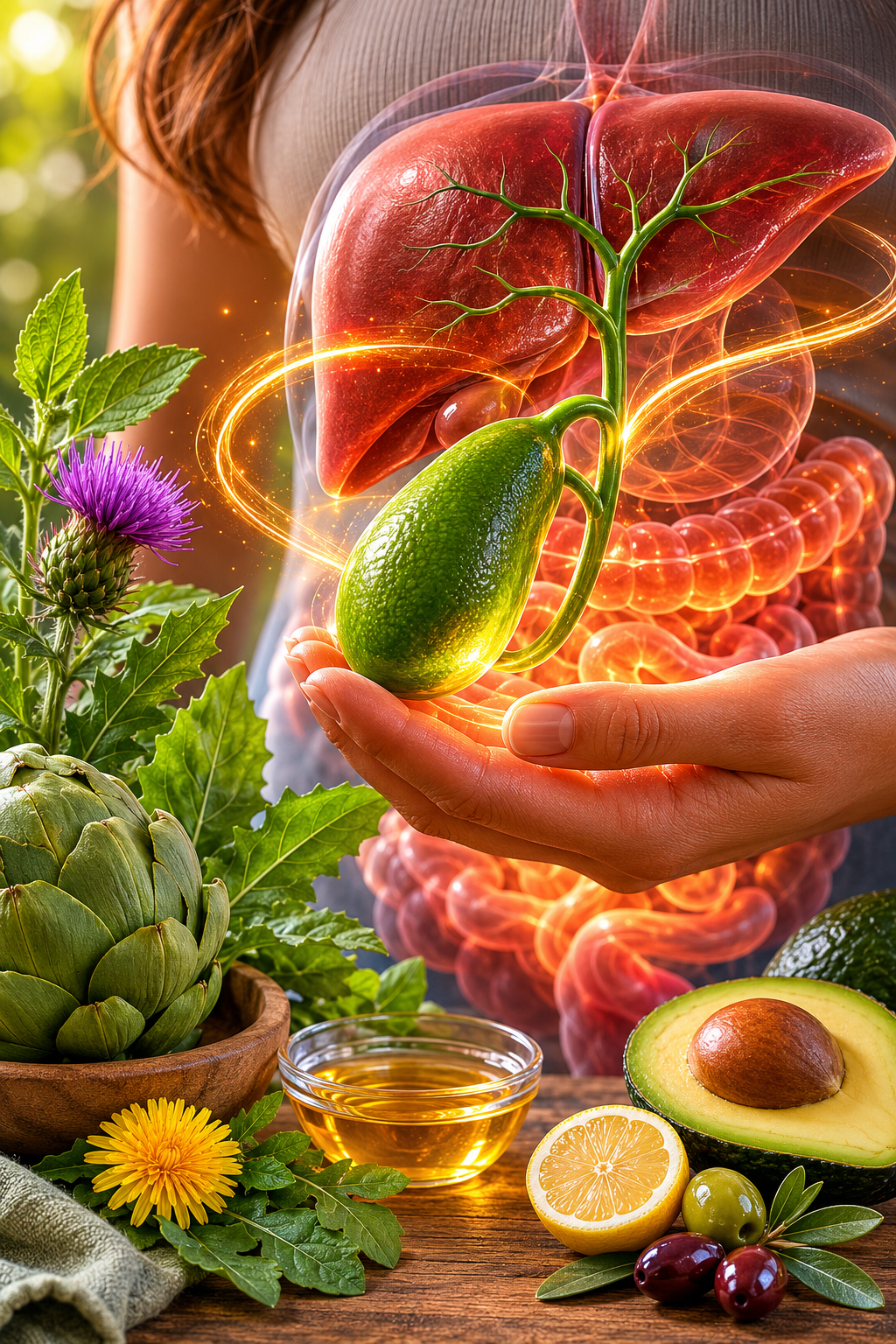
The gallbladder is a small pear-shaped organ located beneath the liver.
Its primary role is to store, concentrate, and release bile—a digestive fluid produced by the liver.
Think of your liver as the bile factory and your gallbladder as the storage tank.
The liver continuously produces bile throughout the day. The gallbladder stores that bile, concentrates it, and releases a powerful surge when food, especially fat, enters the digestive tract.
Without a gallbladder, bile still exists, but it is no longer stored and concentrated before meals.
What Does Bile Do in the Body?
Most people think bile only helps digest fats.
In reality, bile has many important responsibilities throughout the body.
Healthy bile helps:
- Break down dietary fats
- Absorb fat-soluble vitamins A, D, E, and K
- Absorb omega-3 and essential fatty acids
- Eliminate excess cholesterol
- Support hormone metabolism
- Remove toxins and waste products
- Maintain healthy bowel movements
- Support microbiome balance
- Provide natural antimicrobial activity within the digestive tract
Without adequate bile flow, digestive symptoms and nutrient deficiencies can develop even when someone is eating a healthy diet.
How Does the Gallbladder Influence the Liver?
The liver and gallbladder function as a team.
The liver produces bile.
The gallbladder stores and delivers bile.
When bile becomes stagnant or thick, it can create additional stress on both systems. Because bile serves as one of the body's pathways for eliminating cholesterol, toxins, hormones, and metabolic waste, proper bile flow is an important part of overall detoxification and digestive health.
This is one reason functional practitioners often support both the liver and gallbladder together rather than viewing them as separate organs.
How Is Bile Released?
When you eat a meal containing fat, your body releases a hormone called cholecystokinin (CCK).
CCK signals the gallbladder to contract and release bile into the small intestine.
This process is why healthy dietary fats are important.
Ironically, extremely low-fat diets may contribute to sluggish bile flow because the gallbladder receives fewer signals to empty itself regularly. (I blame the low fat diet era on the loss of too many gallbladders these last couple decades)
Just like stagnant water becomes problematic, stagnant bile can become thick and concentrated over time.
Signs of Poor Bile Flow
Many people suffer from poor bile flow without realizing it.
Common symptoms of low bile production or sluggish bile flow may include:
- Bloating after meals
- Difficulty digesting fatty foods
- Nausea after eating
- Burping or indigestion
- Constipation
- Loose stools
- Pale-colored stools
- Floating stools (we want sinkers not floaters)
- Fat-soluble vitamin deficiencies
- Dry skin
- Hormonal imbalances
- Fatigue after meals
- Feeling overly full after eating
These symptoms do not automatically mean someone has a gallbladder problem, but they may indicate that bile production, storage, or flow deserves further investigation.
What Causes a Sluggish Gallbladder?
Gallbladder dysfunction rarely develops overnight.
Several factors may contribute to poor bile flow:
- Very low-fat diets
- Rapid weight loss
- Pregnancy
- Insulin resistance
- Metabolic dysfunction
- Chronic inflammation
- Dehydration
- Sedentary lifestyles
- Nutrient deficiencies
- Hormonal imbalances
- Certain medications
- Poor liver function
Over time, stagnant bile can become increasingly concentrated and may contribute to the formation of gallstones.
What Are Gallstones?
Gallstones are hardened deposits that develop within the gallbladder.
Most gallstones are composed primarily of cholesterol, although pigment stones can also occur.
Some people have gallstones and never experience symptoms.
Others develop:
- Right upper abdominal pain
- Pain after fatty meals
- Nausea
- Vomiting
- Shoulder pain
- Bloating
- Gallbladder attacks
If a gallstone blocks a bile duct, it can become a medical emergency requiring immediate medical care.
The Connection Between Bile and the Microbiome
One of the lesser-known roles of bile is its influence on gut health.
Bile helps regulate bacterial populations within the digestive tract and supports a healthy microbiome.
Research continues to explore the relationship between bile flow and:
- Gut dysbiosis
- Small intestinal bacterial overgrowth (SIBO)
- Digestive inflammation
- Intestinal barrier function
Healthy bile flow is one of many factors that contributes to a balanced and resilient digestive ecosystem.
What Happens After Gallbladder Removal?
Many people are surprised to learn that removing the gallbladder does not eliminate the body's need for bile.
The liver continues producing bile after surgery.
However, because there is no longer a storage tank, bile continuously drips into the digestive tract rather than being released in concentrated amounts during meals.
For some this can cause several health issues.
Common Gallbladder Removal Side Effects
Not everyone experiences complications right after surgery sometimes it can take a year or more, but common complaints include:
- Loose stools
- Chronic diarrhea
- Urgency after meals
- Fat intolerance
- Bloating
- Gas
- Nutrient deficiencies
- Difficulty digesting larger meals
- Fatigue
- Poor absorption of vitamins A, D, E, and K
Many people are never informed that these symptoms may be related to altered bile flow following surgery.
Why Some Practitioners Recommend Ox Bile After Gallbladder Removal
One of the most common frustrations I hear from clients is that nobody discussed digestive support after surgery.
While individual needs vary, many functional practitioners consider supplements that support bile function.
Ox Bile
Ox bile supplements provide bile salts that may help support fat digestion and nutrient absorption when taken with meals containing fat.
TUDCA
TUDCA (tauroursodeoxycholic acid) is a bile acid derivative that has been studied for its ability to support healthy bile flow and liver function.
Bile Support Nutrients
Some practitioners utilize supplements containing:
- Taurine
- Glycine
- Choline
- Phosphatidylcholine
- Beet root
- Artichoke
- Dandelion root
These nutrients and herbs may help support healthy bile production and movement.
Always consult your healthcare provider before beginning any supplement program.
Natural Ways to Support Gallbladder Health
The good news is that many foundational health habits can support healthy bile flow.
Stay Hydrated
Bile is largely composed of water. Proper hydration helps support healthy bile consistency.
Eat Healthy Fats
Healthy fats help stimulate gallbladder contraction and bile release. (Another excuse to eat the butter!)
Support Liver Health
Because the liver produces bile, supporting liver function can positively impact gallbladder health.
Move Your Body
Physical activity supports digestion, circulation, lymphatic flow, and metabolic health.
Consider Bitter Herbs
Traditional herbal support may include:
- Dandelion root
- Artichoke leaf
- Gentian
- Milk thistle
- Burdock root
These herbs have long histories of use in supporting digestion and bile flow.
Address Root Causes
Blood sugar imbalances, inflammation, stress, nutrient deficiencies, toxic burden, and digestive dysfunction may all influence gallbladder health.
Could Your Gallbladder Symptoms Be a Sign of a Bigger Problem?
From a functional medicine perspective, gallbladder symptoms are often viewed as clues rather than isolated problems.
Instead of simply asking what is wrong with the gallbladder, we ask:
- Why has bile become stagnant?
- Why is digestion struggling?
- Why is inflammation present?
- Why is nutrient absorption impaired?
- Why is the liver under stress?
These questions often reveal opportunities to support the body more effectively and uncover underlying contributors to digestive dysfunction.
Frequently Asked Questions
Can you live without a gallbladder?
Yes. The liver continues producing bile after gallbladder removal. However, digestion may change because bile is no longer stored and concentrated before meals.
Can you digest fat without a gallbladder?
Yes, but some people struggle to digest larger amounts of fat after gallbladder removal because bile is continuously dripping into the digestive tract rather than being released in a concentrated surge.
Should everyone take ox bile after gallbladder removal?
Not necessarily. Some individuals do well without supplementation, while others benefit from digestive support. Individual needs vary.
Why do some people get diarrhea after gallbladder surgery?
Continuous bile flow into the intestines can contribute to loose stools, urgency, and digestive discomfort in some individuals.
What foods support gallbladder health?
Hydration, healthy fats, nutrient-dense whole foods, and a balanced diet that supports liver function may all contribute to healthy bile production and flow.
Final Thoughts
The gallbladder may be small, but its impact on digestion, nutrient absorption, microbiome health, and overall wellness is significant.
Whether you still have your gallbladder or have already had it removed, understanding how bile functions can provide valuable insight into digestive symptoms that often go unexplained.
If you're experiencing bloating, fat intolerance, loose stools, nutrient deficiencies, or ongoing digestive complaints, it may be worth looking beyond the symptoms and exploring how well your bile and digestive systems are functioning.
Sometimes the missing piece isn't what you're eating—it's whether your body has the tools it needs to properly digest and utilize it.
As always, this article is intended for educational purposes only and should not be considered medical advice. Every person is unique, so please consult your physician or qualified healthcare provider with any questions regarding your health before implementing dietary, supplement, or lifestyle changes.
References
Ridlon JM, Kang DJ, Hylemon PB, Bajaj JS. Bile Acids and the Gut Microbiome. Current Opinion in Gastroenterology. 2014.
PubMed:
https://pubmed.ncbi.nlm.nih.gov/24625896/
- Excellent review discussing how bile acids influence microbiome composition and overall gut health.
Chen I, Ballem N. Physiology, Bile Acids. StatPearls Publishing; 2023.
NIH/NCBI Bookshelf:
https://www.ncbi.nlm.nih.gov/books/NBK549765/
- Explains the fundamental roles of bile acids in fat digestion, cholesterol metabolism, and antimicrobial activity.
Long SL, Gahan CGM, Joyce SA. Interactions Between Gut Bacteria and Bile in Health and Disease. Molecular Aspects of Medicine. 2017.
PubMed:
https://pubmed.ncbi.nlm.nih.gov/28602676/
- Reviews the relationship between bile acids and the gut microbiome, including implications for digestive and metabolic health.
Raposo MA, et al. Impact of Cholecystectomy on the Gut-Liver Axis and Metabolic Dysfunction-Associated Steatotic Liver Disease. World Journal of Gastroenterology. 2024.
PubMed:
https://pubmed.ncbi.nlm.nih.gov/38729564/
- Discusses how gallbladder removal alters bile acid metabolism and gut microbiota and may influence metabolic health.
Huang RL, et al. Diagnosis and Treatment of Post-Cholecystectomy Diarrhoea. World Journal of Gastroenterology. 2023.
PMC Full Text:
https://pmc.ncbi.nlm.nih.gov/articles/PMC10725554/
- Reviews why bile acid diarrhea can occur after gallbladder removal and current treatment approaches.
Zackria R, Lopez RA. Postcholecystectomy Syndrome. StatPearls Publishing; 2023.
NCBI Bookshelf:
https://www.ncbi.nlm.nih.gov/books/NBK539902/
- Covers common symptoms after gallbladder removal, including fat intolerance, diarrhea, indigestion, bloating, and abdominal pain.
Cai J, Sun L, Gonzalez FJ. Bile Acid Metabolism and Signaling, the Microbiota, and Metabolic Disease. Pharmacology & Therapeutics. 2022.
PubMed:
https://pubmed.ncbi.nlm.nih.gov/35792223/